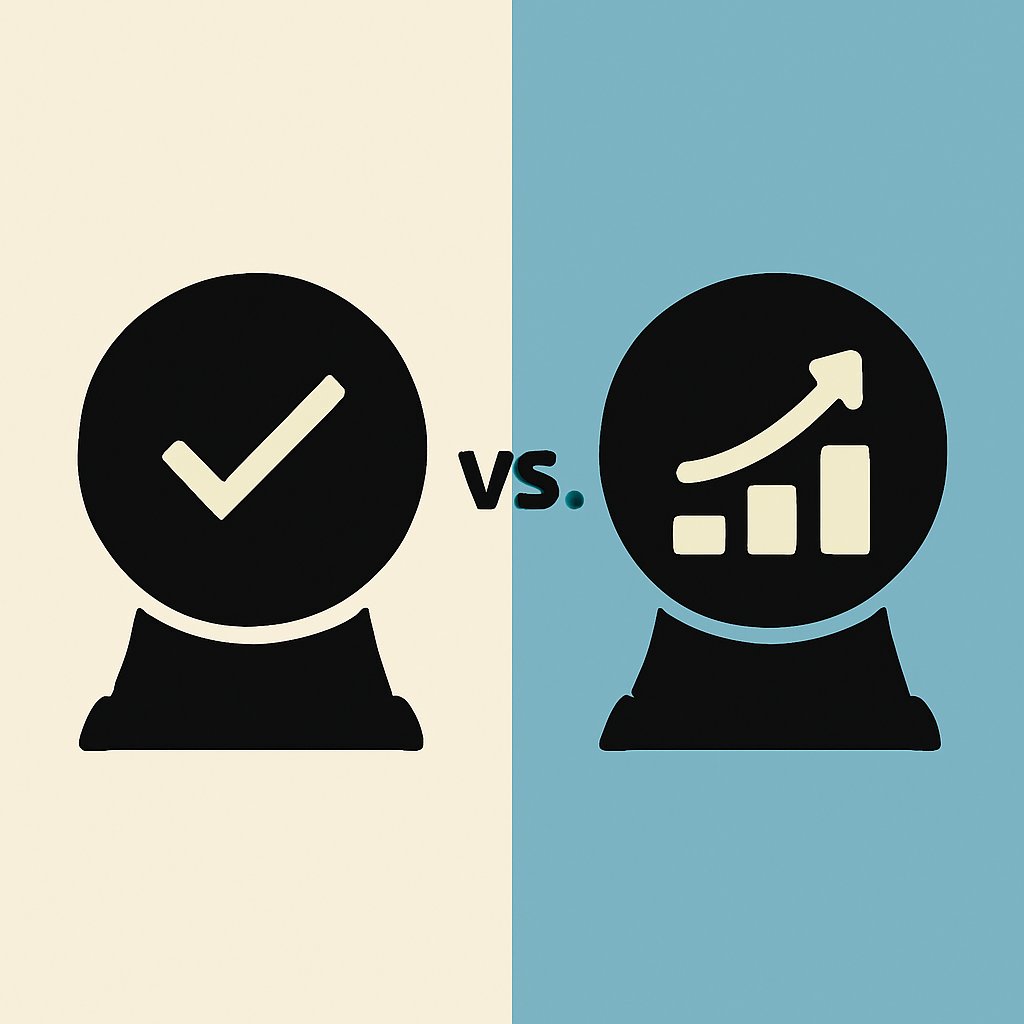
Traditional polls offer a snapshot of public opinion, but prediction markets leverage the 'wisdom of the crowd' for forecasting. Which method reigns supreme in predicting the future?
Polls are great for gauging sentiment, but can they really predict outcomes? Prediction markets, where users bet on future events, often prove more accurate. Why? Skin in the game! People put their money where their mouth is.
Polls: A Popularity Contest? Polls reflect current opinions, influenced by biases and fleeting emotions. Remember the 2016 US election? Many polls missed the mark.
Markets: Wisdom of the Crowd, with Wallets. Prediction markets aggregate diverse viewpoints, incentivizing accurate forecasts. See examples at https://predmarkets.online/#/markets like 'Will Andrew Tate's party win a seat?', 'Will humans colonize Mars before 2050?', 'Will Ramp or Brex IPO first?', 'Will OpenAI or Anthropic IPO first?', and 'Will a humanoid robot walk on Mars before a human does?' Each market represents a collective forecast, constantly updated.
Advantages of Markets. Markets are dynamic, adapting to new information quickly. They also filter out noise and focus on probabilities. Plus, they're fun! Who doesn't love a little friendly competition?
Tip: When evaluating a prediction, look at both polls and market data. Consider the source, incentives, and the 'liquidity' of the market (how much money is being traded). A liquid market is generally a more reliable indicator. Think of it as the difference between a small town's opinion and Wall Street's bet.
The Verdict? While polls offer valuable insights, prediction markets often provide a more accurate glimpse into the future. They're not perfect, but they're a powerful tool for anyone seeking to understand what might happen next.